자유게시판
20 Resources That'll Make You More Efficient With Wood Burning Stove
Max
0
11
2023.11.23 14:51
Wood Burning Stoves Near Me
Wood stoves can help you reduce your energy bills. They also assist in active woodland management, benefitting wildlife.
If they aren't installed and Near Me maintained correctly they could release carbon monoxide, which can pose health hazards to the family. To avoid this, search for an EPA-certified wood stove that has modern technology to ensure safety.
Catalytic Stoves
A catalytic fireplace is outfitted with a catalyst which looks like honeycomb. It converts wood smoke into water and carbon dioxide. This is an excellent option for those who want to cut down on indoor air pollution and save money. These stoves use less multi fuel stoves, burn more hot and produce less creosote. However, they can be more expensive to operate than non-catalytic models and require regular maintenance of the combustion chamber.
Wood Stoves certified by the EPA
The EPA requires wood multifuel stoves to be constructed in accordance with certain guidelines that reduce their emissions. These guidelines dictate that a catalytic wood stove must be tested at a level that is not more than 7.5 grams of smoke per hour. This is compared to 4.1 grams per hour for an uncatalytic stove. It's important to remember that lower emissions ratings do not necessarily translate into better efficiency in heating.
Sizing and Selection
It is very important to make sure your wood stove is sized for the home in which it is installed. The wrong size stove will not work as intended and could even overheat. A properly-sized stove increases the heat output and reduces emissions. The brochure: Buying a EPA-Certified wood stove (PDF 530K) offers a simple method to determine the size and type of a new wooden stove.
Non-Catalytic and Catalytic stoves
The first wood stove that was made was a non-catalytic stove. These stoves are also called traditional wood-burning stoves, or open fire stoves. The non-catalytic stove has the advantage that it doesn't need an additional combustion to reduce emissions. Smoke is a major source of energy waste. The smoke produced by non-catalytic stoves contains a toxic substance called creosote. The introduction of the catalytic wood stove has eliminated the risk of these issues. The catalytic stove uses a catalyst that burns the gases in the smoke to eliminate toxic creosote.
The catalytic contemporary wood burning stoves burner was designed to reduce toxic emissions. However, it is less effective than the secondary combustion system utilized in the non-catalytic model. The catalyst does produce some toxic fumes due to the fact that it doesn't burn completely the byproducts of burning wood. Additionally the honeycomb structure the catalyst can break down over time. This can lead to lower performance and the need for replacement.
Make sure to keep the Combustion Chamber Clean
A catalytic combustor that is functioning properly will appear to be like a powdery gray. It should be free of ash, soot or other tatty substances that would plug up the cells and decrease the surface area of catalytic reactions. The combustor must not be exposed to flame impingement. This can be caused by a strong, fast draft that is pulling flames directly into the catalytic converter. This can also happen when you leave the firebox and the doors to the ash pan open.
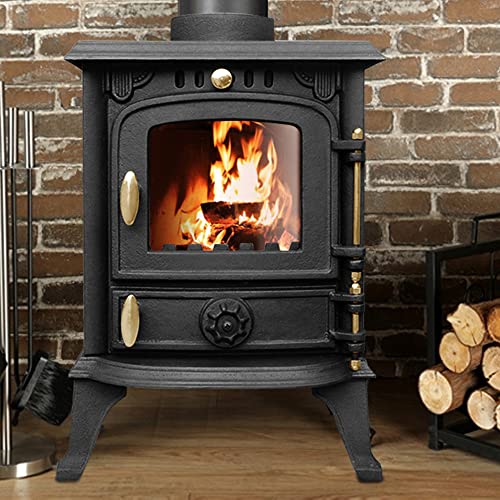
Wood stoves can help you reduce your energy bills. They also assist in active woodland management, benefitting wildlife.
If they aren't installed and Near Me maintained correctly they could release carbon monoxide, which can pose health hazards to the family. To avoid this, search for an EPA-certified wood stove that has modern technology to ensure safety.
Catalytic Stoves
A catalytic fireplace is outfitted with a catalyst which looks like honeycomb. It converts wood smoke into water and carbon dioxide. This is an excellent option for those who want to cut down on indoor air pollution and save money. These stoves use less multi fuel stoves, burn more hot and produce less creosote. However, they can be more expensive to operate than non-catalytic models and require regular maintenance of the combustion chamber.
Wood Stoves certified by the EPA
The EPA requires wood multifuel stoves to be constructed in accordance with certain guidelines that reduce their emissions. These guidelines dictate that a catalytic wood stove must be tested at a level that is not more than 7.5 grams of smoke per hour. This is compared to 4.1 grams per hour for an uncatalytic stove. It's important to remember that lower emissions ratings do not necessarily translate into better efficiency in heating.
Sizing and Selection
It is very important to make sure your wood stove is sized for the home in which it is installed. The wrong size stove will not work as intended and could even overheat. A properly-sized stove increases the heat output and reduces emissions. The brochure: Buying a EPA-Certified wood stove (PDF 530K) offers a simple method to determine the size and type of a new wooden stove.
Non-Catalytic and Catalytic stoves
The first wood stove that was made was a non-catalytic stove. These stoves are also called traditional wood-burning stoves, or open fire stoves. The non-catalytic stove has the advantage that it doesn't need an additional combustion to reduce emissions. Smoke is a major source of energy waste. The smoke produced by non-catalytic stoves contains a toxic substance called creosote. The introduction of the catalytic wood stove has eliminated the risk of these issues. The catalytic stove uses a catalyst that burns the gases in the smoke to eliminate toxic creosote.
The catalytic contemporary wood burning stoves burner was designed to reduce toxic emissions. However, it is less effective than the secondary combustion system utilized in the non-catalytic model. The catalyst does produce some toxic fumes due to the fact that it doesn't burn completely the byproducts of burning wood. Additionally the honeycomb structure the catalyst can break down over time. This can lead to lower performance and the need for replacement.
Make sure to keep the Combustion Chamber Clean
A catalytic combustor that is functioning properly will appear to be like a powdery gray. It should be free of ash, soot or other tatty substances that would plug up the cells and decrease the surface area of catalytic reactions. The combustor must not be exposed to flame impingement. This can be caused by a strong, fast draft that is pulling flames directly into the catalytic converter. This can also happen when you leave the firebox and the doors to the ash pan open.
